



What Is Rubberwood and Is It Suitable for Furniture?

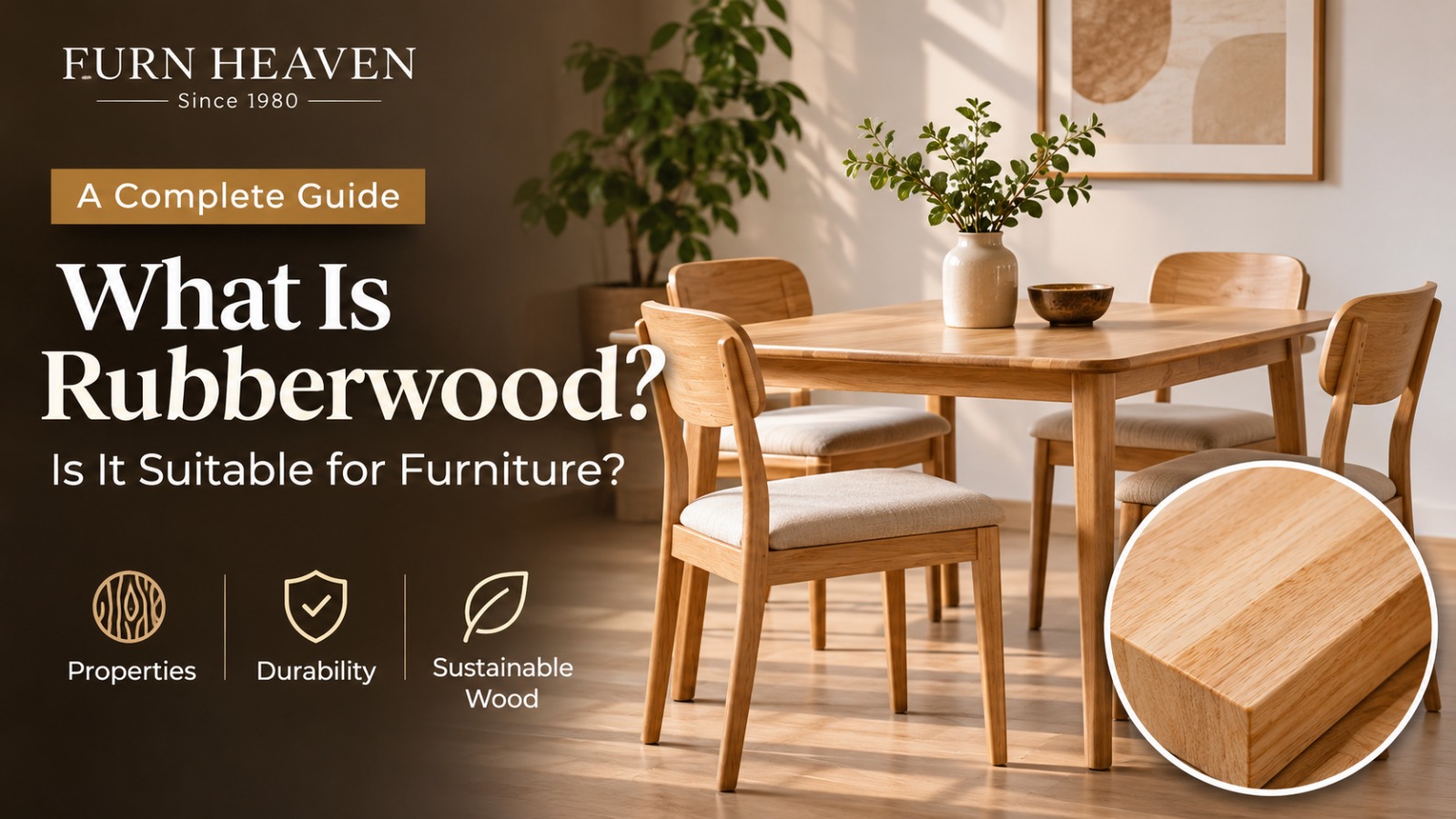
Choosing the right wood is an important part of buying furniture. Whether you are furnishing your living room, bedroom, dining area or commercial space, the type of wood used can significantly influence the furniture’s appearance, strength, durability and overall performance.
Among the different types of wood used in modern furniture manufacturing, rubberwood has gained considerable attention. Known for its natural appearance, smooth texture, workability and practical applications, it has become an interesting option for homeowners and furniture manufacturers.
But what exactly is rubberwood? Is it strong enough for everyday furniture? How long does it last? And is rubberwood really a sustainable wood choice?
If you are planning to purchase wooden furniture or simply want to understand different furniture materials before making a decision, this guide will help you explore everything you need to know about rubberwood furniture.
From understanding its characteristics and advantages to exploring its durability, maintenance requirements and suitability for different furniture applications, let’s take a closer look at what makes rubberwood an important material in the furniture industry.
What Is Rubberwood?
Rubberwood is a natural hardwood obtained from the rubber tree, scientifically known as Hevea brasiliensis. These trees are primarily cultivated for producing natural rubber latex. Once the trees reach the end of their productive latex-producing life, they are harvested and their timber is used for furniture manufacturing and other wooden products.
Rather than allowing these trees to go to waste after latex production ends, their timber can be repurposed into useful furniture materials. This makes rubberwood an interesting alternative to timber varieties harvested exclusively for their wood.
Rubberwood generally has a light cream to pale brown colour with a relatively uniform grain pattern. Its natural appearance makes it suitable for different furniture finishes, including natural wood shades, darker stains and painted surfaces.
Due to its workability and finishing capabilities, rubberwood furniture is commonly used for dining tables, chairs, cabinets, shelves, bedroom furniture and other indoor applications.
One of the reasons manufacturers consider this material is its ability to combine practical functionality with an attractive natural appearance. However, understanding its properties and limitations is important before deciding whether it is the right material for your furniture requirements.
Understanding the Important Rubberwood Properties
Before purchasing any wooden furniture, it is important to understand the characteristics of the material. Different wood varieties offer different levels of strength, density, moisture resistance and finishing capabilities.
The following rubberwood properties help explain why this material is used in several furniture manufacturing applications.
1. Natural Appearance and Smooth Texture
One of the most noticeable characteristics of rubberwood is its relatively uniform grain pattern. Unlike certain wood varieties that feature highly contrasting grain structures, rubberwood offers a subtle and consistent appearance.
Its naturally light colour provides flexibility when selecting furniture finishes. It can be maintained in its original appearance or stained to achieve darker shades that complement different interior designs.
This makes rubberwood a practical option for homeowners who prefer furniture that blends easily with modern, contemporary and traditional interiors.
2. Strength and Structural Performance
Rubberwood is classified as a medium-density hardwood. It offers useful strength characteristics for furniture manufacturing and can be shaped into different designs and structures.
Its strength makes it suitable for applications such as dining chairs, table frames, cabinets and other indoor furniture components.
However, the final performance depends on several factors, including the quality of the timber, drying process, construction techniques and joinery. Good manufacturing practices are essential when evaluating the quality of rubberwood furniture.
3. Easy Finishing and Workability
Another important characteristic among rubberwood properties is its workability. The wood can be cut, shaped, machined, glued and finished with relative ease.
It also accepts stains, paints and protective coatings well, allowing manufacturers to create different furniture styles and finishes.
This flexibility makes rubberwood suitable for furniture designs that require clean edges, smooth surfaces and consistent finishing.
4. Moderate Density
Rubberwood has an air-dry density generally ranging between 560 and 640 kg/m³. This provides a useful balance of weight and strength for various indoor furniture applications.
Its density and working characteristics make it suitable for furniture components that require a combination of functionality and attractive finishing.
Understanding these rubberwood properties helps buyers make better decisions when comparing different wooden furniture materials.
Is Rubberwood Durable for Everyday Furniture?
Durability is one of the biggest considerations when investing in wooden furniture. Nobody wants a dining table, chair or cabinet that starts deteriorating after a short period of use.
So, how does rubberwood durability compare with other furniture materials?
Rubberwood can offer good performance in indoor environments when it is properly processed, seasoned, treated and manufactured. It has sufficient strength for many everyday furniture applications, including dining chairs, tables, cabinets and bedroom furniture.
However, it is important to understand that rubberwood does not naturally have high resistance to moisture, fungi and insect attacks. Without appropriate protective treatment, it can be vulnerable to these problems.
Proper kiln drying and preservative treatment are therefore important steps in improving rubberwood durability.
Factors That Influence Rubberwood Durability
The lifespan of rubberwood furniture depends on more than the wood itself. Several manufacturing and maintenance factors influence how well it performs over time.
Wood seasoning and moisture control are important because proper drying helps reduce the risk of excessive movement, warping and cracking. Protective treatment also plays a significant role in improving resistance to fungal and insect attacks.
Construction quality is equally important. Strong joints, proper assembly and good hardware contribute to the overall stability of furniture. A well-designed piece with quality joinery will generally perform better than furniture manufactured with poor construction techniques.
Surface finishing also helps protect wooden furniture from everyday spills, scratches and moisture. Regular cleaning and avoiding prolonged contact with water can further help preserve its appearance.
When these factors are managed correctly, rubberwood durability can make it a practical choice for everyday indoor furniture.
Is Rubberwood a Sustainable Wood Choice?
Sustainability has become an important consideration for modern homeowners and furniture buyers. People are increasingly interested in understanding where their furniture materials come from and how they affect natural resources.
Rubberwood offers an interesting sustainability advantage because it is obtained from rubber trees that are primarily grown for latex production.
These trees are generally harvested when their commercial latex-producing life comes to an end. Their timber can then be reused for furniture manufacturing, reducing the need to treat the wood as agricultural waste.
This makes rubberwood an example of how existing plantation resources can be used more efficiently.
Why Is Rubberwood Considered a Sustainable Wood Option?
There are several reasons why rubberwood is often considered a sustainable wood alternative.
One important reason is the better utilisation of plantation resources. Since the trees are already cultivated for latex production, using their timber for furniture gives them an additional purpose after their primary commercial use ends.
Another advantage is the potential reduction of material waste. Instead of leaving harvested timber unused, manufacturers can convert it into useful furniture products.
Rubberwood also comes from plantation-grown trees that can be replanted as part of managed plantation systems. This can support more efficient resource utilisation when responsible harvesting and sourcing practices are followed.
However, choosing sustainable wood involves looking beyond the material itself. Responsible plantation management, harvesting practices, processing methods and sourcing also matter.
Therefore, rubberwood can be a resource-efficient choice, but buyers should still consider the origin and manufacturing practices behind the furniture they purchase.
Advantages of Rubberwood Furniture
The growing use of rubberwood in furniture manufacturing is supported by several practical advantages. Its natural appearance, workability and versatility make it suitable for different indoor furniture requirements.
1. Versatile Furniture Designs
Rubberwood’s natural appearance and finishing flexibility make it suitable for different furniture styles. Manufacturers can create simple contemporary designs as well as more traditional furniture pieces.
From dining tables and chairs to cabinets and storage units, rubberwood can be incorporated into different furniture designs.
2. Attractive Natural Finish
Its light colour and relatively uniform grain provide a clean and balanced appearance. It can also be stained to achieve darker shades that complement different interior colour schemes.
This flexibility allows homeowners to select furniture finishes that match their existing interiors.
3. Practical for Indoor Applications
Rubberwood is suitable for several indoor furniture applications. Its characteristics make it useful for dining furniture, bedroom furniture, cabinets, shelves and living room accessories.
When properly treated and manufactured, rubberwood furniture can provide practical everyday functionality.
4. Good Workability
Its machining, gluing and finishing characteristics allow furniture manufacturers to work with different shapes and designs.
This makes it easier to produce furniture components with detailed finishes and consistent dimensions.
5. Resource-Efficient Material
Since rubberwood is recovered after the latex-producing stage of rubber trees, it offers an additional use for an existing plantation resource.
This is one of the reasons it is frequently discussed as a sustainable wood option in modern furniture manufacturing.
Disadvantages of Rubberwood You Should Know
Although rubberwood offers several benefits, it is equally important to understand its limitations before making a furniture purchase.
1. Limited Natural Moisture Resistance
One of the main limitations of rubberwood is its relatively low natural resistance to moisture and prolonged exposure to wet conditions.
Furniture made from this material requires suitable finishing and protection, particularly in environments where spills or humidity are common.
2. Requires Proper Treatment
Untreated rubberwood can be susceptible to fungal growth and insect attacks. Proper preservative treatment and seasoning are essential for improving its performance.
This is why buyers should always consider the manufacturing and treatment process rather than focusing only on the appearance of the finished furniture.
3. Not Ideal for Outdoor Furniture
Rubberwood is generally more suitable for indoor applications than outdoor environments.
Constant exposure to rain, sunlight and changing weather conditions can negatively affect the material. For outdoor furniture, buyers should consider wood varieties specifically suited to exterior conditions.
4. Quality Depends on Manufacturing
Not all rubberwood furniture offers the same level of quality. Poor drying, weak joints and inadequate surface finishing can reduce the lifespan of the final product.
This is why selecting a reliable furniture manufacturer is just as important as understanding the wood variety.
What Types of Furniture Can Be Made Using Rubberwood?
Rubberwood’s workability, natural appearance and finishing flexibility make it suitable for a wide range of indoor furniture.
Dining Tables and Chairs
Rubberwood is commonly used for dining furniture, including table frames, chair structures and other dining room components.
Its strength and ability to hold different finishes make it suitable for practical dining spaces. A well-constructed dining table can complement different interior styles while providing everyday functionality.
Bedroom Furniture
Bed frames, bedside tables, dressers and other bedroom furniture can be manufactured using rubberwood.
Its light natural appearance also works well with modern bedroom interiors. Different stains and finishes can be used to create furniture that complements the overall bedroom design.
Cabinets and Storage Units
Rubberwood can be used for cabinets, drawers, shelving and storage furniture.
Its workability makes it easier to manufacture components with different shapes and dimensions, allowing manufacturers to create practical storage solutions for different spaces.
Coffee Tables and Side Tables
Coffee tables and side tables are other suitable applications. Rubberwood can be finished in different shades to complement sofas, accent chairs and other living room furniture.
Home and Office Furniture
Depending on the construction and intended use, rubberwood can also be used for desks, shelving units, decorative furniture and other indoor applications.
The suitability of each application depends on the furniture’s design, construction, intended load and quality of manufacturing.
Rubberwood vs Other Types of Wood for Furniture
Choosing between different wood varieties can be confusing, especially when every material offers different characteristics.
Understanding the differences between rubberwood and other commonly used furniture woods can help you select the right material for your requirements.
Rubberwood vs Sheesham Wood
Sheesham wood is known for its distinctive grain patterns, rich natural appearance and hardness. It is commonly used for premium wooden furniture, dining tables, cabinets and traditional furniture designs.
Rubberwood, on the other hand, generally offers a lighter appearance and more uniform grain pattern. It is also valued for its workability and finishing flexibility.
The choice depends on your preferred furniture appearance, budget and intended application.
Rubberwood vs Teak Wood
Teak is widely recognised for its natural oils and resistance to moisture and weather conditions. It is commonly used for both indoor and outdoor furniture.
Rubberwood is generally more suitable for indoor applications because it does not offer the same natural weather resistance as teak.
If outdoor performance is your priority, teak may be a more suitable option.
Rubberwood vs Mango Wood
Mango wood is appreciated for its distinctive grain patterns, natural variations and versatility in furniture manufacturing.
Rubberwood generally offers a more consistent grain appearance, while mango wood can provide more visual variation.
Both materials can be used for different furniture designs, depending on the desired finish and construction.
Rubberwood vs Acacia Wood
Acacia is a hardwood valued for its hardness, attractive grain patterns and durability. It is used for dining furniture, tables and selected outdoor applications.
Rubberwood is a practical alternative for various indoor furniture applications, particularly where consistent appearance and workability are important.
Ultimately, the right wood depends on your furniture requirements, preferred appearance, maintenance expectations and intended environment.
How to Maintain Rubberwood Furniture
Good maintenance plays an important role in preserving the appearance and performance of wooden furniture.
Although rubberwood can perform well indoors, following a few simple care practices can help maintain its condition.
Clean Your Furniture Regularly
Use a soft, dry or slightly damp cloth to remove dust and everyday dirt. Avoid excessive water because prolonged moisture exposure can affect the wood and its protective finish.
Protect It from Moisture
Clean spills immediately and avoid leaving wet objects on wooden surfaces for extended periods.
Using coasters, mats and suitable protective accessories can also help reduce the risk of water marks and surface damage.
Avoid Continuous Direct Sunlight
Continuous exposure to strong sunlight may affect the colour and finish of wooden furniture.
Positioning furniture away from direct sunlight can help maintain its original appearance for longer.
Use Suitable Cleaning Products
Avoid harsh chemicals and abrasive materials that can damage protective coatings.
Always choose cleaning products suitable for the furniture’s surface finish.
Check Furniture Joints Regularly
Periodically inspect screws, fittings and joints to ensure that the furniture remains stable.
With consistent care, rubberwood furniture can retain its appearance and remain functional for years, depending on its construction and environment.
How Furn Heaven Makes Furniture Selection Easier for Homes, Restaurants, Hotels and Cafés
Choosing furniture is not always straightforward, especially when you are furnishing an entire property or commercial space. Different spaces have different requirements, and standard furniture dimensions, finishes and designs may not always match the intended layout.
This is where working with an experienced furniture manufacturer can make a difference.
Established in 1980, Furn Heaven carries forward Jodhpur’s rich furniture-making heritage through handcrafted designs, skilled artisans and a modern approach to furniture manufacturing.
The brand focuses on creating furniture that combines traditional craftsmanship with contemporary aesthetics, serving homeowners, architects, interior designers and commercial buyers.
Custom Furniture Solutions for Restaurants
Restaurants require furniture that balances appearance, comfort and functionality. Dining tables, restaurant chairs, sofas and storage units all contribute to the overall dining experience.
Furn Heaven offers customisable furniture solutions that help restaurant owners select designs, dimensions, materials and finishes according to their interior requirements.
Whether you are furnishing a small restaurant or planning a larger dining space, custom furniture can help create a consistent visual identity throughout the property.
Stylish and Functional Furniture for Cafés
Cafés often rely on their interiors to create a welcoming atmosphere and memorable customer experience. The right combination of café tables, coffee tables, dining chairs and armchairs can make a significant difference.
Furn Heaven offers dedicated café furniture options, including coffee tables, dining tables, dining chairs, armchairs and café tables.
With customisation options available for dimensions, colours, wooden finishes and designs, café owners can select furniture that complements their brand identity and available space.
Complete Furniture Solutions for Hotels
Hotels require furniture across multiple areas, including guest rooms, reception spaces, lounges, dining areas and common spaces.
Furn Heaven’s hotel furniture range includes beds, bedside tables, console tables, armchairs, coffee tables, dining tables, dining chairs, sofas, TV and media consoles and sideboards.
Having access to different furniture categories from one manufacturer can make the furnishing process more organised and consistent.
Hotels can also explore custom designs that complement their interior theme, room dimensions and functional requirements.
Furniture for Bars and Hospitality Spaces
Bars and hospitality environments require furniture that combines visual appeal with practical functionality.
Bar cabinets, bar chairs and stools play an important role in creating an organised and attractive space.
Furn Heaven provides furniture solutions that can be customised to match the overall design and functional requirements of different hospitality environments.
Customisation, Bulk Orders and Manufacturing Support
One of the major challenges when furnishing commercial properties is finding furniture that matches the required dimensions, design preferences and quantity.
Furn Heaven addresses these requirements through its customisable furniture solutions and in-house manufacturing capabilities.
Customers can explore different materials, wooden textures, colours, dimensions and finishes according to their requirements. The team also works with customers to refine design ideas and develop furniture that suits their intended space.
For larger projects, bulk ordering and in-house manufacturing help support efficient fulfilment with consistent quality.
Whether you need a single customised furniture piece for your home or multiple furniture units for a restaurant, hotel, café or bar, Furn Heaven provides solutions designed around different project requirements.
Is Rubberwood the Right Choice for Your Home?
The answer depends on what you expect from your furniture.
If you are looking for a practical indoor material with a light natural appearance, good finishing capabilities and versatile applications, rubberwood can be a suitable option.
It works particularly well for furniture where design flexibility, consistent appearance and everyday functionality are important.
However, if your priority is outdoor durability or prolonged exposure to moisture, other wood varieties may be more appropriate.
Before purchasing, always check the actual wood specifications, seasoning process, protective treatment and construction quality. These details will help you make a more informed decision rather than choosing furniture based on appearance alone.
The most important thing is to select furniture that matches your space, lifestyle and long-term requirements.
Conclusion
Rubberwood has established itself as a useful material in modern furniture manufacturing because of its natural appearance, workability, versatility and potential for resource-efficient sourcing.
While it has certain limitations, particularly regarding moisture resistance and natural durability, proper seasoning, treatment and craftsmanship can make it a practical choice for a variety of indoor furniture applications.
Understanding different wood varieties, their properties and their maintenance requirements can help you make better furniture purchasing decisions.
However, choosing quality furniture means looking beyond the type of wood. The manufacturing process, construction, finishing and attention to detail all contribute to how well a piece performs over time.
At Furn Heaven, we believe furniture should be more than just a functional addition to a space. With a legacy of craftsmanship dating back to 1980, we bring together Jodhpur’s traditional furniture-making heritage and contemporary design to create meaningful furniture solutions for modern homes and commercial environments.
Whether you are furnishing your home, designing a restaurant, setting up a café or planning a hotel interior, Furn Heaven offers customisable furniture solutions, handcrafted designs and bulk manufacturing support to help bring your vision to life.
Frequently Asked Questions (FAQs)
1. What is rubberwood and where does it come from?
Rubberwood is a natural hardwood obtained from rubber trees, scientifically known as Hevea brasiliensis. These trees are primarily cultivated for latex production, and their timber is used for furniture manufacturing after their productive latex-producing life ends.
2. Is rubberwood good for furniture?
Yes, rubberwood can be a good material for indoor furniture. It offers a relatively uniform grain pattern, good workability and useful strength characteristics. Proper seasoning, treatment and construction are important for ensuring good performance.
3. Is rubberwood furniture durable?
Rubberwood furniture can offer good durability when properly seasoned, treated and manufactured. Its lifespan depends on construction quality, protective finishing, maintenance and the environment in which it is used.
4. Is rubberwood better than teak wood?
Neither material is universally better. Teak offers better natural moisture and weather resistance, making it suitable for outdoor furniture. Rubberwood is generally more suitable for indoor furniture applications and offers good finishing flexibility.
5. Is rubberwood real wood or engineered wood?
Rubberwood is genuine natural hardwood obtained from rubber trees. It is not synthetic wood. However, individual furniture products may combine solid rubberwood with other materials, so buyers should check the product specifications.
6. Is rubberwood a sustainable wood material?
Rubberwood is often considered a sustainable wood option because its timber is recovered from rubber trees after their primary latex-producing life ends. Responsible plantation management, sourcing and processing practices are also important considerations.
7. What are the main disadvantages of rubberwood?
The main disadvantages include limited natural moisture resistance, susceptibility to fungal and insect attacks without proper treatment, and limited suitability for outdoor applications. Proper seasoning and protective finishing help improve its performance.
8. How long does rubberwood furniture last?
There is no fixed lifespan for rubberwood furniture. Properly treated and well-constructed pieces can provide years of use when maintained correctly and protected from excessive moisture and unsuitable environmental conditions.
9. Can rubberwood be used for dining tables and chairs?
Yes. Rubberwood is commonly used for indoor dining tables, chairs and other furniture components. Its workability, strength characteristics and finishing flexibility make it suitable for different dining furniture designs.
10. Is rubberwood waterproof?
No. Rubberwood is not naturally waterproof. Protective coatings can help reduce surface moisture exposure, but prolonged contact with water should be avoided to maintain its condition.
11. Which is better: rubberwood or mango wood?
Both materials have different characteristics. Rubberwood generally offers a more uniform grain pattern, while mango wood is appreciated for its distinctive natural grain variations. The right option depends on your preferred appearance, furniture design and intended use.
12. Where can I find custom furniture for restaurants, hotels and cafés?
Furn Heaven offers customisable furniture solutions for homes, restaurants, hotels, cafés and bars. Customers can explore different furniture designs, dimensions, materials, colours and finishes, along with bulk order and in-house manufacturing support for larger projects.

 Canada
 USA
 Japan


